
PODCAST: Commercial Workspace Design
Kaizen Performance Improvement Podcast Episode
With Erika MacKay & Dan Holstein
In this podcast episode we discuss the how workspace design can promote productivity, well-being and belonging.
Niche's customized approach to understand a business's needs, how their team functions, and what their preferences are, enables them to create workspaces where people feel a sense of connection, enjoy coming to the office, and are able to be effective and productive.
Like this resource? Feel free to share...
This is paragraph text. Click it or hit the Manage Text button to change the font, color, size, format, and more. To set up site-wide paragraph and title styles, go to Site Theme.
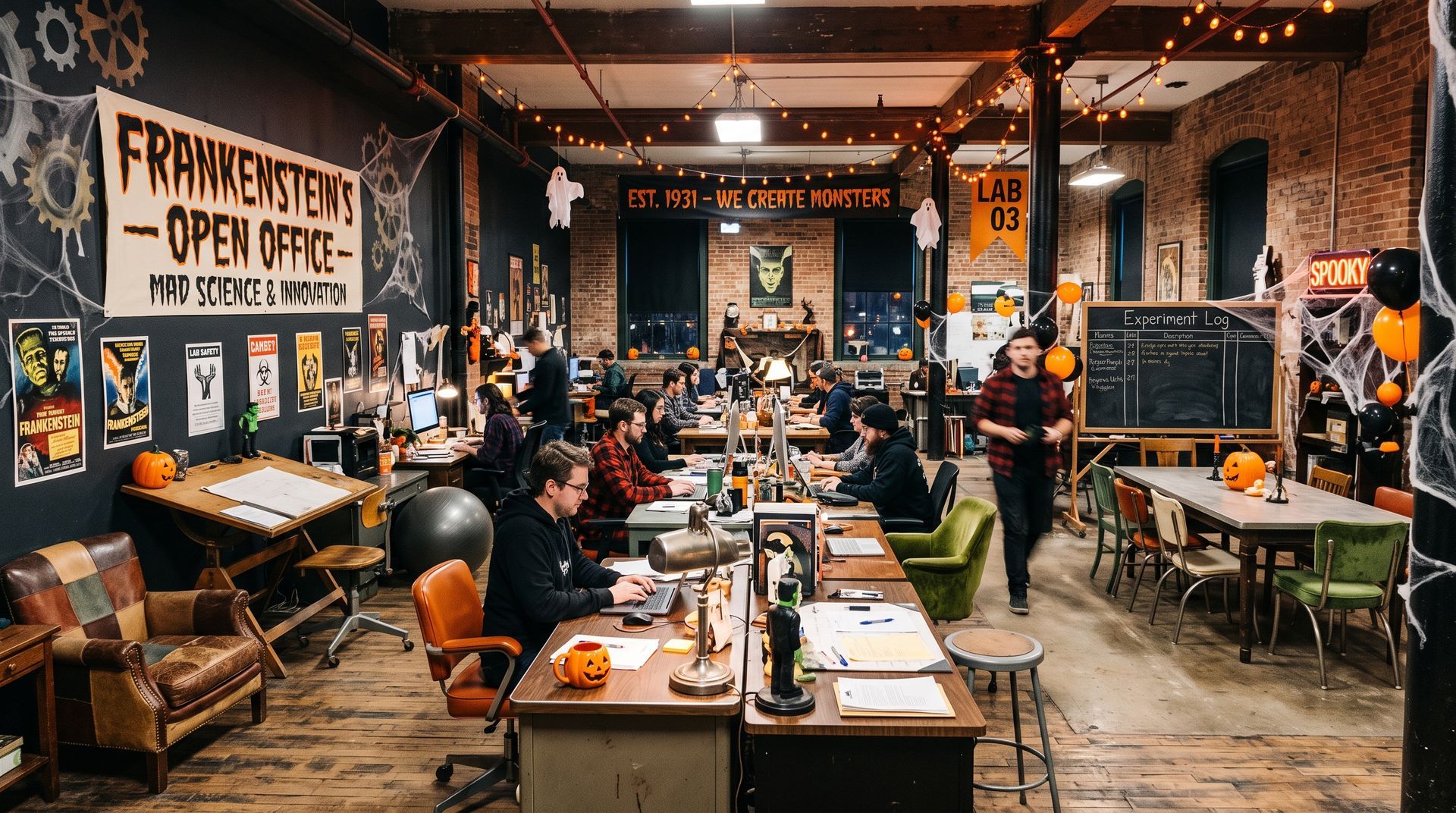
You walk into a commercial space- a growing clinic, a corporate office, or a cafe. The architectural shell is beautiful, but the reception seating doesn’t match, the treatment room chairs look worn and the overall aesthetic feels a bit, well, chaotic. We call this the “Frankensteined” space- a patched-together environment that undermines your brand’s authority for staff and customers alike. It rarely happens on purpose. In most cases, it happens because furniture and accessories (art, acoustics, etc.) were treated as an afterthought rather than as a core component of the initial design strategy. Or worse, there was no holistic initial design strategy. How the “Monster” is Made When business owners approach their physical space, there is a common misconception that furniture can just be figured out “later,” or purchased piece-by-piece as the business grows. And while there are aspects of this strategy that can be useful for long term functionality or budget planning, without a holistic vision, this approach quickly creates 2 major issues: The Mismatched Mess : Budgets are real, and outfitting an entire commercial space all at once isn’t always feasible. But when you buy furniture without a master plan, a phased rollout quickly turns into a mismatched mess The Retail Cycle of Doom : When timelines get crunched, owners often panic-buy residential furniture from retail stores. But retail furniture isn’t engineered for the heavy wear-and-tear of a commercial environment. It breaks fast and when you have to replace one broken chair and a desk there, you end up with a mismatched graveyard of varying styles and quantities. Plan Holistically, Execute Incrementally Function and aesthetics go hand-in-hand. A space must be highly functional to survive your daily operations, but it must also look cohesive to elevate how people feel and communicate trust to your clients. To protect your finish line (and your bottom line), here is how we approach commercial procurement: Specify everything first: Even if you can only afford to buy 50% of the furniture right now, the entire space needs to be designed and specified holistically upfront. Even if your needs may change, this cohesive plan will make rolling out phase 2, 3, or even 4 infinitely easier. Integrate FF&E with the Renovation: Furniture, fixtures, equipment and art should not be a last minute scramble. They need to be planned at the same time as your finishes, electrical layout and acoustic needs to ensure everything aligns properly in the completed space Invest in commercial quality: We procure commercial-grade pieces designed specifically for your daily operations. They are built to last and end up being a more sound investment over time. At Niche for Design we believe that Better Spaces create better experiences which drive Better Business outcomes. We don’t just design the walls; we ensure everything inside them supports your long term vision and your business success. Through our Full-Service Interior Design and procurement offering, we act as your expert guide, providing curated, direct B2B furniture procurement. Whether you are outfitting a space all at once or need a strategic rollout, we provide the master plan and manage the details, ensuring your space is cohesive, on budget and built to last.
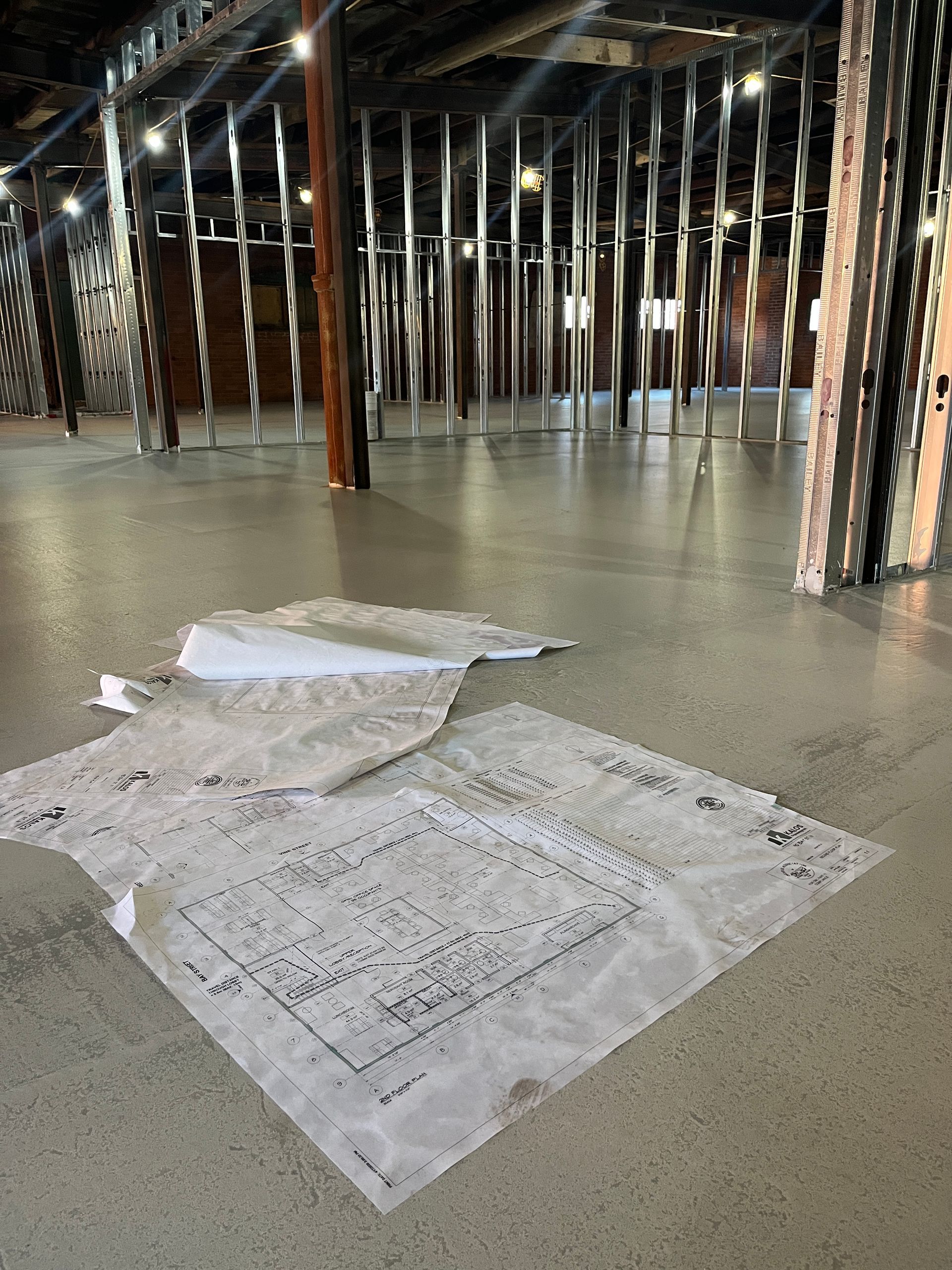
The fall real estate rush has begun. You have outgrown your current setup or are looking for a home for the next iteration of your business vision. You just toured a location that looks perfect! It seems large enough, is full of natural light and the location is absolutely prime, you can already picture your team working there. I love the excitement of that phase, but before you sign the lease or place an offer, please pause. Assuming a space can support your business based on square footage and aesthetics alone is a massive risk. One of the biggest mistakes that business owners make during a commercial move is playing “space planning Tetris.” They look at a beautiful finished space, or an empty shell and assume they will be able to squeeze in all of the offices, treatment rooms or support spaces they need. But a space that looks huge on paper can quickly become a functional nightmare when the reality of real measurements and building codes come into play. In most cases we can make a space work, but understanding the true limitations of what you are working with up front is infinitely valuable.
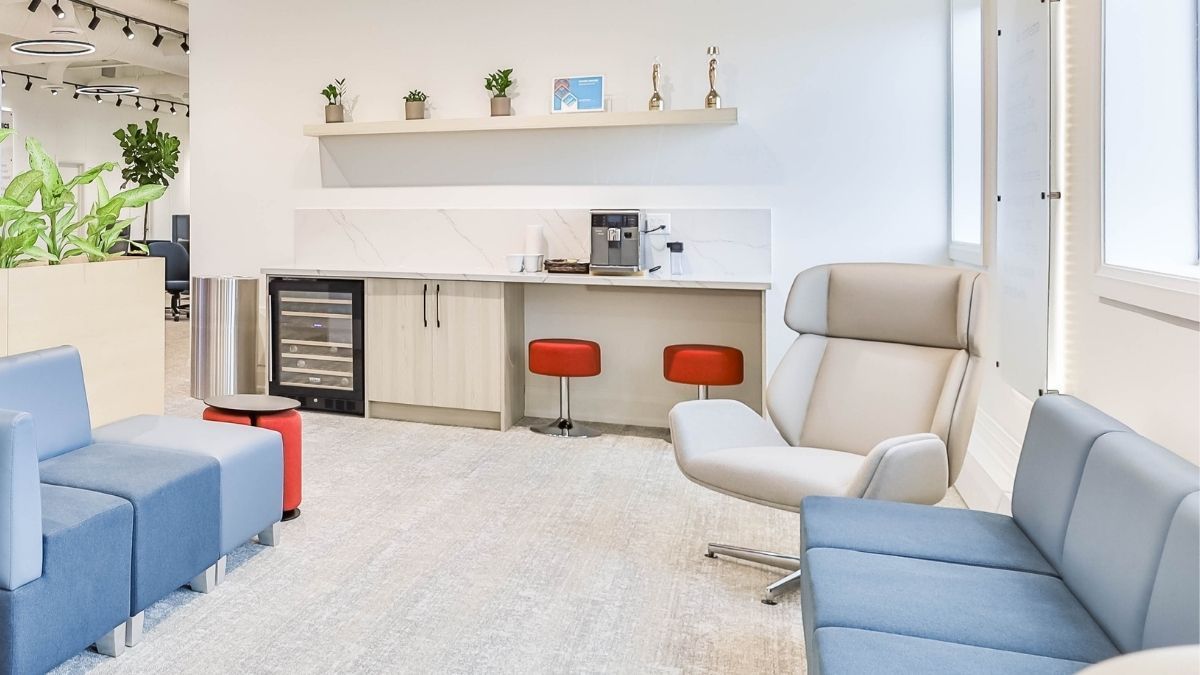
Design a shared office your team will love. Discover coworking ideas for small businesses, clinics, and hybrid teams that value connection and flexibility.
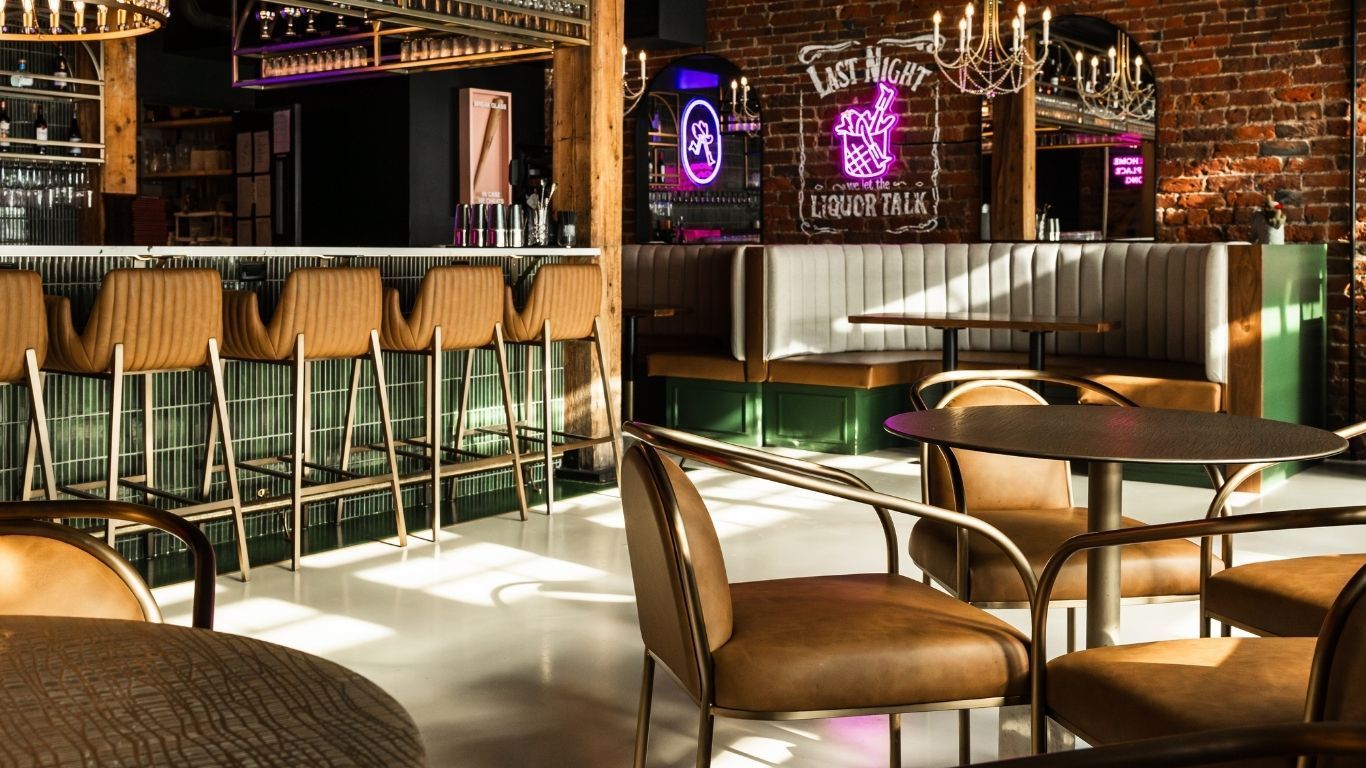
Whether you're launching a new business or expanding an existing one, there’s a lot to think about—believe me, I get it. As a business owner myself and someone who has guided dozens of entrepreneurs through the space planning process, I’ve noticed a few common (and costly) things that often get overlooked. In the excitement of opening a new location, it’s easy to underestimate timelines, renovation costs, and the permitting process. After countless conversations around these very challenges, I decided to put together this blog to share some insights. While every project and location is unique, my goal is to give you a helpful starting point—especially when it comes to budgeting, permits, and designing a space that truly reflects your brand and keeps customers coming back.
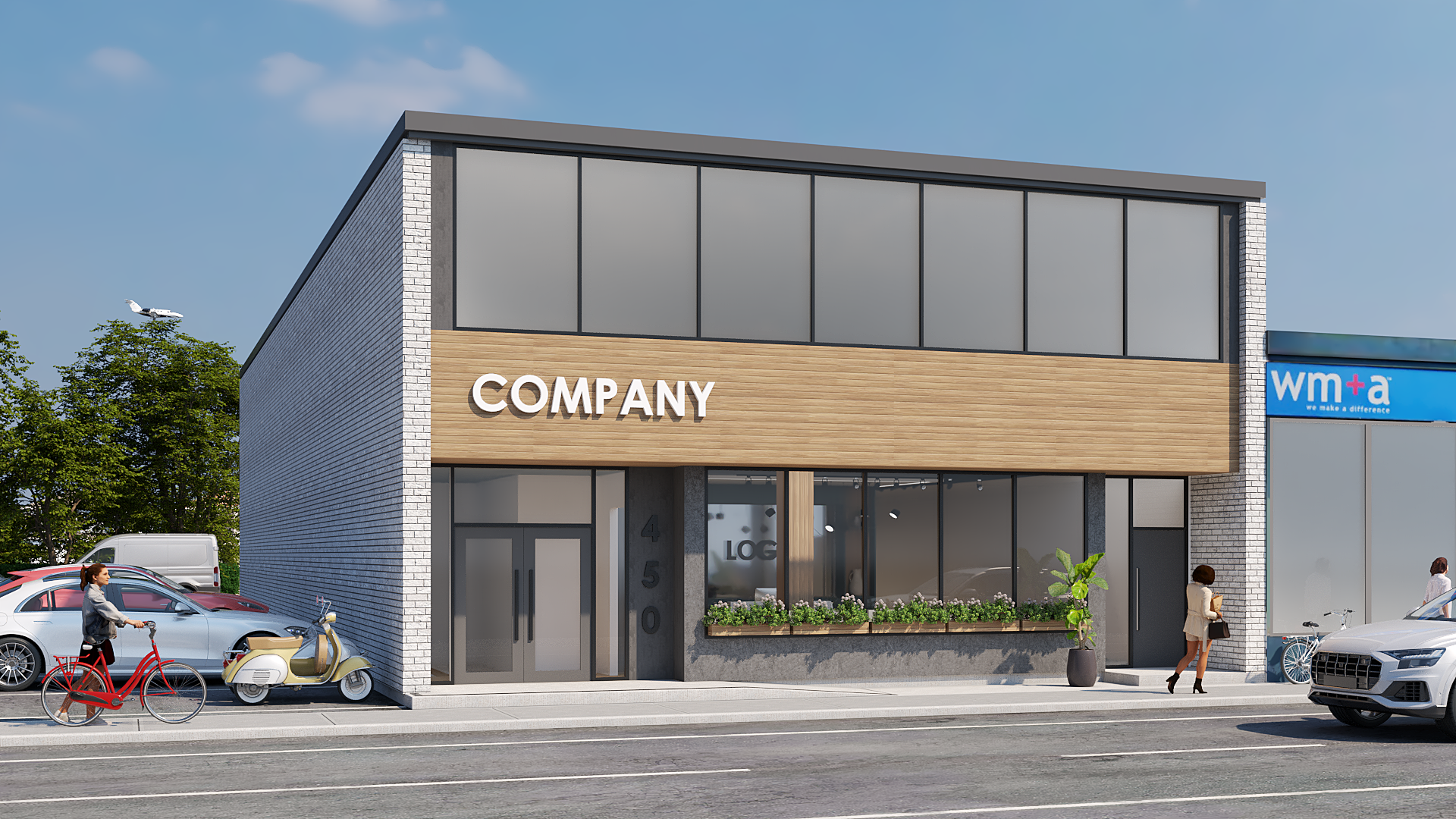
In the competitive world of commercial real estate, visualizing potential uses of a property can make all the difference in securing a lease or sale. For realtors, landlords, and property managers, presenting a space in its best light is crucial. However, empty spaces often leave prospects struggling to see their potential. This is where 3D renderings and 2D space planning come into play, offering a cost-effective solution to marketing available commercial properties.
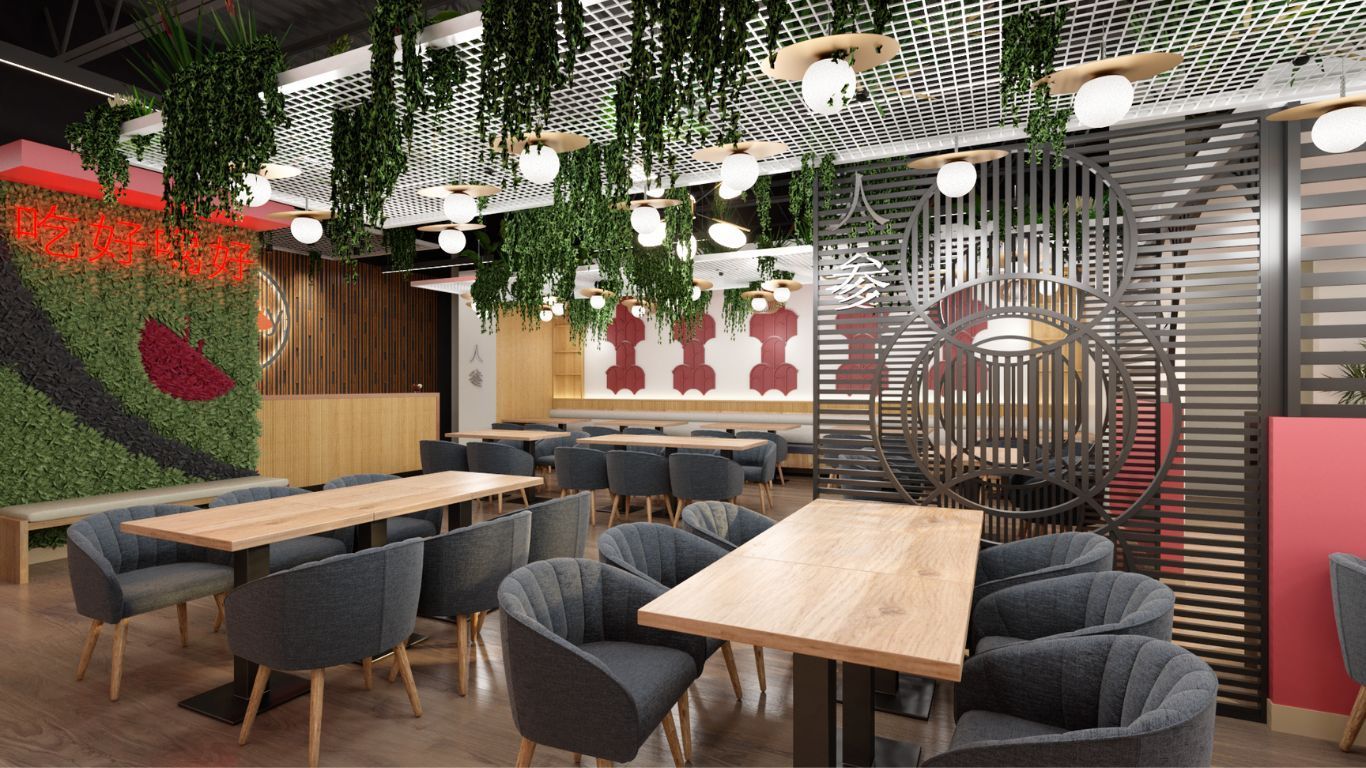
Expanding and maintaining a restaurant or retail franchise presents a unique set of challenges. From ensuring brand consistency to navigating franchise approvals, franchise owners often face complex issues that can be mitigated with the right interior design strategies. This article explores these challenges and explains how effective interior design solutions can help franchises navigate growth.
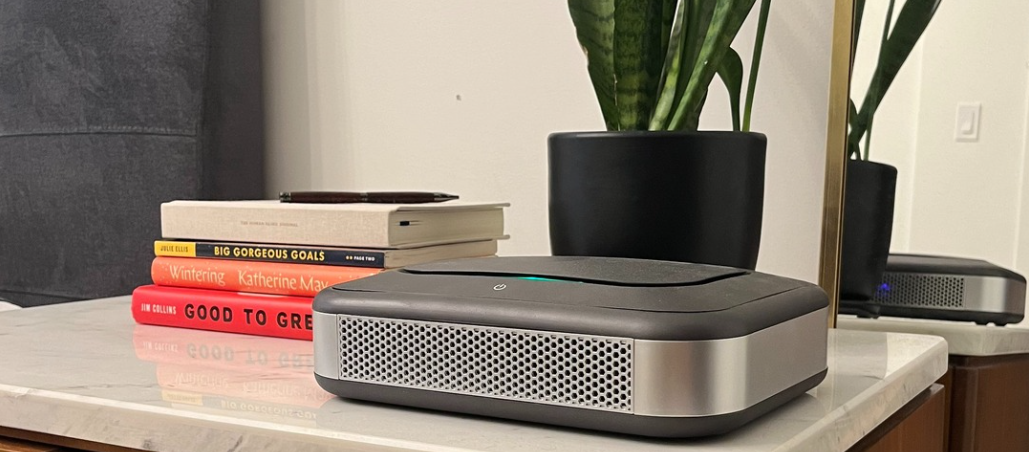
Author: Laura Gabor (Co-founder, ecologicca) Workplace wellness is more than just multiple screens, standing desks, and walking pads. All of those things can certainly improve your work experience, whether at home or in the office, and they are definitely beneficial for your health and wellbeing. But have you ever considered the effects of the air you are breathing in all day, every day? You can scroll through social media any given day and you’ll see hundreds of videos about reducing screen time, eating “anti-inflammatory” foods, lowering your cortisol levels, you name it. We have yet to come across a video that links air quality, especially indoors, to inflammation even though the science backs it up. When you do the math, an average person takes about 6,700 breaths over a regular work day. You spend quite literally all day and night breathing. Most folks don’t realize that indoor air can be up to 2-5x more polluted than outdoor air. Additionally, 91% of the world’s population live in areas where air quality pollution levels exceed recommended WHO limits. Increased air pollution levels cause inflammation in every system within your body. This leads to difficulty breathing, increases your risk of developing sleep apnea and allergies, exacerbates mental health conditions, including suicide , and has been linked to obesity . On the less extreme end, there are a number of people who suffer from sick building syndrome because of their working environments. Some symptoms include headaches, dizziness, fatigue, and difficulty concentrating which usually persist, chronically, inside the poor environment but then subside or lessen once people move outdoors or into a better space. Understandably, a sick and unhealthy workforce is not usually a productive one. Air quality is only going to get worse with the effects of climate change. Whether it’s wildfires, floods, or hurricanes, all of those environmental events will impact air quality both indoors and outdoors whether through smoke or mold. It’s time to become proactive instead of reactive towards the air in our workplaces. The first step is education. We can’t solve a problem we don’t know exists. Ensuring your clients understand the scope of indoor air quality issues and how it affects occupants in workplaces, whether at home or in the office, is paramount. And for employers there is a huge benefit to ensuring workplace wellness. Clean, healthy air can increase productivity, decrease sick days, and contribute positively to the health and happiness of employees. On top of that, building operators are now being hit with regulatory requirements such as ASHRAE 241 in the US. This regulation mandates a significant increase of airflow in spaces to mitigate the spread of infectious aerosols. This is directly at odds with decarbonization efforts put forth in ASHRAE 100 and in more localized regulations such as Local Law 97 in NYC. We believe these standards are just the beginning. The next step is action. How do we make air, especially in big cities, healthier and cleaner indoors? Redoing an entire HVAC system is costly, laborious, time consuming and most of the time unrealistic. Regular air purifiers don’t do enough. ecologicca’s proprietary ecosystem takes a holistic approach to tackle this major problem. It begins with some more education in the form of monitoring. Getting a baseline understanding of what particles are in the air, where they are most concentrated, areas with high occupancy rates or low airflow, allows for a strategic implementation of purification technology and for positive results to be measured. Based on the initial data, a rollout of our air purification technology can begin. What’s different about ecologicca, is that instead of filtering your air (we do that too!) we create fresh air indoors. There’s a particle responsible for that fresh, clean air you breathe when you are in a healthy environment, it’s called a hydroxyl. Our sustainable technology brings those particles inside to the occupants in your space. They have been shown to reduce the spread index of COVID , VOCs , bacteria, mold, GHGs , and more and they also have been shown to act as surrogate ventilation which can help reduce HVAC-related energy consumption. Some other things to consider during projects that can impact air quality are the types of paint, furniture, and building materials being used, and ensuring proper ventilation throughout the entire space during and after construction or renovation. Lastly, it’s important to continue monitoring the space to ensure that regulations are being upheld, there are no drastic changes to indoor air quality or occupancy rates and behaviours, and to gather continuous data for insights and analytics. As an example, ecologicca takes that environmental data, layers it with health data, and provides information around the environmental determinants of health in a ready to use dashboard for building operators or managers. Whether you are doing a full WELL certification, or just want to create a healthier indoor space, indoor air quality is a great place to start. Reach out to NICHE for Design or ecologicca , and get started today!

Mythbusting Wellbeing Podcast with Lauren Hundert

In today's increasingly hybrid work environment, the importance of face-to-face relationship building cannot be overstated. While remote work offers flexibility and convenience, in-person interactions are crucial for mentorship, networking, and creative collaboration. Employees rarely express a desire to avoid their colleagues entirely; rather, they seek purposeful, enjoyable, and supportive office visits. The key to fostering these interactions lies in creating a workspace that meets their needs and exceeds the comforts of home.